
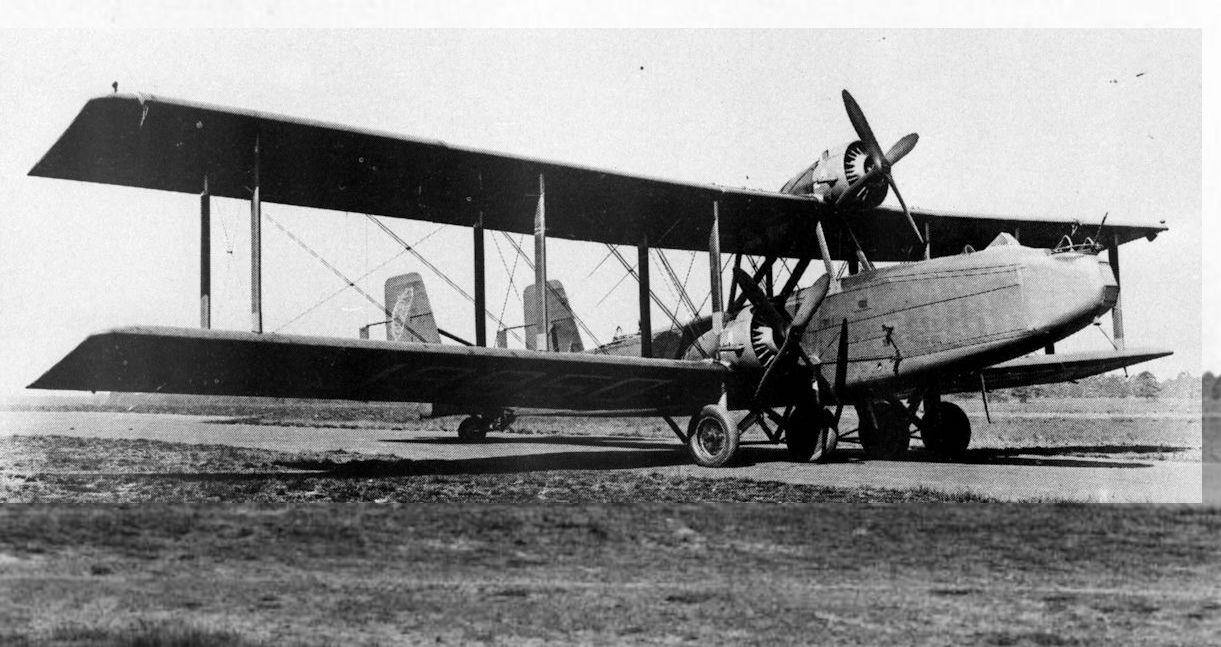
Boulton Paul P.32 Heavy Bomber
The Boulton Paul P.32 was a British three-engined heavy night bomber developed in response to Air Ministry Specification B.22/27. Designed by John North, the aircraft aimed to provide the Royal Air Force with a long-range bombing capability.
The P.32 featured an all-metal structure, three-bay biplane wings and twin tail fins. Three Bristol Jupiter radial engines powered the aircraft, with two mounted on the lower wings and one above the fuselage. Defensive armament consisted of three Lewis machine guns positioned in the nose, dorsal and tail positions.
Engine development difficulties delayed construction, and the prototype made its first flight on 23 October 1931. It subsequently underwent official trials at Martlesham Heath and appeared at the 1932 Hendon Air Display.
However, changing RAF requirements made the design increasingly unsuitable. Neither the P.32 nor its rival, the de Havilland DH.72, entered production. Instead, the RAF selected the smaller Handley Page Heyford bomber. Only one P.32 was constructed.


