
Meiji Jingu Shrine
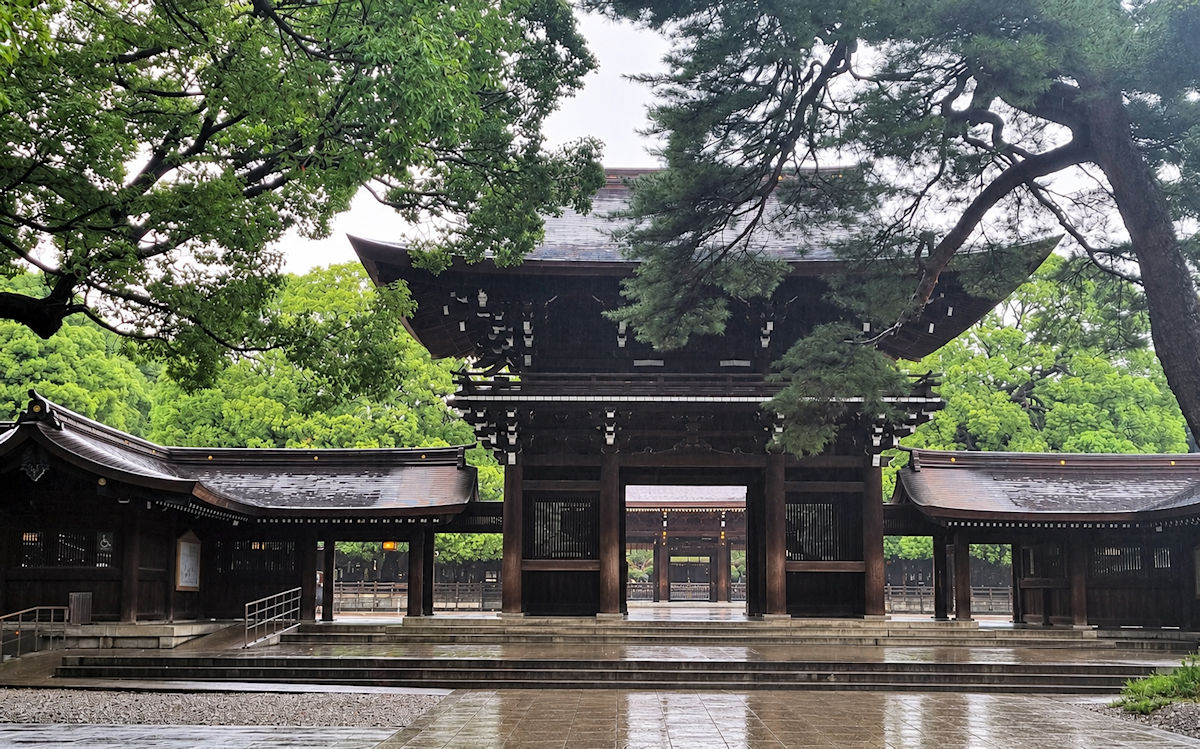
Meiji Jingu Shrine is one of Tokyo’s most important Shinto shrines and one of the city’s most peaceful places to visit. Dedicated to Emperor Meiji and Empress Shoken, the shrine stands within a vast forested area beside Yoyogi Park, creating a striking contrast with the busy streets of nearby Harajuku and Shibuya.
Emperor Meiji ruled Japan from 1867 until 1912, during a period of major political, industrial and social change known as the Meiji Restoration. After his death, and later the death of Empress Shoken, public support grew for a shrine to honour their memory. Meiji Jingu was completed in 1920. Much of the original shrine complex was destroyed during air raids in the Second World War, but it was rebuilt in 1958 with donations from people across Japan.
One of the most memorable parts of a visit is the approach through the surrounding forest. Around 100,000 trees were donated from across Japan when the shrine was created, forming the dense woodland that now surrounds the buildings. Large wooden torii gates mark the entrances to the sacred precinct and create a gradual transition from the city into a quieter, more spiritual setting.
Along the approach, are rows of colourful decorative sake barrels, known as kazaridaru. These are donated by sake producers and symbolise offerings made to the enshrined spirits. Nearby, barrels of French wine reflect Emperor Meiji’s interest in Western culture and Japan’s growing international connections during his reign.
Despite its central Tokyo location, Meiji Jingu feels remarkably secluded.
Getting There
Meiji Jingu is very easy to reach by public transport. The most convenient station is Harajuku Station on the JR Yamanote Line although there are several others within walking distance.
From Harajuku Station, use the exit closest to Meiji Jingu. The shrine entrance is only a few minutes’ walk away. After passing through the large torii gate, continue along the wide forested approach for around 10–15 minutes to reach the main shrine buildings.
The shrine grounds are large, so allow extra time for walking. Although the main entrance is close to Harajuku Station, the shrine itself sits deep within the forest. The walk is part of the experience, passing through towering trees and large torii gates before reaching the main courtyard.


Leave a Reply