
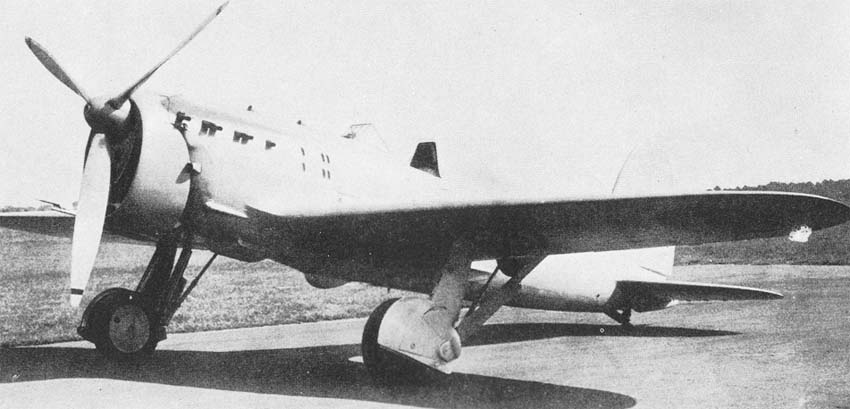
Nakajima Ki-12 Fighter Aircraft
Nakajima Ki-12 Fighter Aircraft
The Nakajima Ki-12 was an experimental Japanese fighter aircraft developed during the 1930s. It represented an ambitious attempt to introduce advanced European aircraft technology into Japanese military aviation and was notable for its modern design at a time when many Japanese fighters still used relatively conventional configurations.
The Ki-12 was developed under the guidance of French aviation engineer Jean Béziaud, who had previously worked for the French aircraft manufacturer Dewoitine. Its design drew inspiration from contemporary European fighters, particularly the Dewoitine D.510. Unlike many Japanese fighters of the period, the Ki-12 featured an all-metal, low-wing monoplane structure, retractable landing gear and an enclosed cockpit. These features were intended to improve aerodynamic efficiency and performance.
The aircraft was powered by a liquid-cooled Hispano-Suiza engine, which differed from the air-cooled radial engines commonly favoured by Japanese aircraft designers.
The Ki-12 first flew in 1936 and demonstrated a reported maximum speed of approximately 480 kilometres per hour. Its proposed armament included a 20 mm cannon and two 7.7 mm machine guns. Despite its performance, the Japanese Army rejected the design because it was considered too heavy and mechanically complex.
Although the Ki-12 never entered production, its development helped Nakajima explore new technologies and influenced subsequent fighter designs, including the successful Ki-27.


