
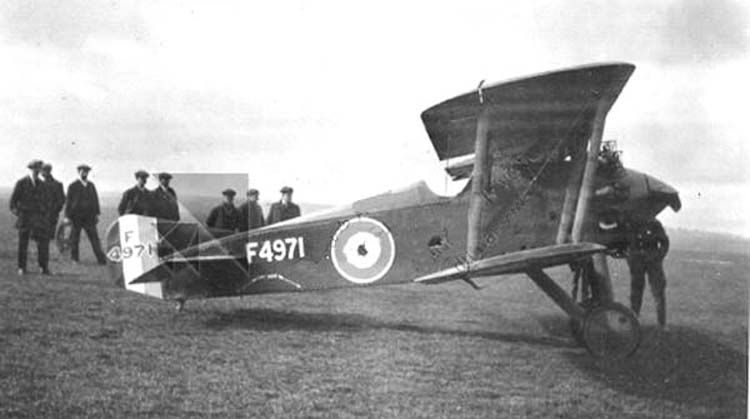
Armstrong Whitworth Ara Fighter Prototype
The Armstrong Whitworth Ara was a British single-seat biplane fighter developed during the final months of the First World War. Designed by Fred Murphy in 1918, the aircraft aimed to replace the Sopwith Snipe in Royal Air Force service.
The Ara followed the earlier Armstrong Whitworth Armadillo fighter but incorporated several improvements. Its two-bay biplane configuration featured a streamlined fuselage and a distinctive pointed engine cowling. Additionally, the upper wing sat close to the pilot’s eye level, providing improved upward visibility.
Power came from a 320-horsepower ABC Dragonfly I nine-cylinder radial engine. Although initially considered promising, the Dragonfly suffered serious overheating and reliability problems. These difficulties affected several contemporary British fighter projects.
Armstrong Whitworth received an order for three prototypes, allocated serial numbers F4971 to F4973. However, the company completed only two aircraft. The first prototype flew in 1919, while the second featured a modified wing arrangement with increased separation between the upper and lower wings.
Despite its engine problems, the Ara demonstrated impressive performance. It could reach approximately 150 mph (241 km/h) and climb to 10,000 feet in around four and a half minutes. Its estimated service ceiling reached 28,000 feet.
The proposed armament consisted of two synchronised .303-inch Vickers machine guns mounted within the forward fuselage. These fired through the propeller arc.
However, the unreliable Dragonfly engine severely restricted further development. The end of the First World War also reduced demand for new fighter aircraft.
In late 1919, Armstrong Whitworth closed its aircraft department, effectively ending the Ara programme. Neither prototype entered operational service, and the aircraft never reached production.


