
Joadja Heritage Site
Origins and Industrial Development
Joadja lies in a secluded valley in the Southern Highlands of New South Wales, and its origins date to the beginning of Australia’s industrial growth. Although the area had seen scattered activity earlier, substantial development began when the Australian Kerosene Oil and Mineral Company recognised the shale deposits in the 1870s. The company quickly established an extensive mining and refining operation, and the settlement grew as workers arrived from Britain and Scotland. Because the valley was isolated, the company created a self-contained town that supplied its own services. Joadja became notable for its advanced retort technology, which refined shale oil on site. The engineering methods reflected emerging industrial knowledge, and they contributed to growing national demand for lighting and lubrication products.
As operations expanded, the town acquired housing, shops, a school and a social hall, with these facilities shaping a community culture.
Despite early success, Joadja began to decline in the early twentieth century as demand shifted and extraction costs increased. The difficult terrain limited transport and raised expenses, and many families gradually left the valley. Eventually the company ceased mining, and the town emptied as buildings deteriorated. Although abandonment seemed final, the site endured and retained many original industrial remains.
Built Landscape and Heritage Features
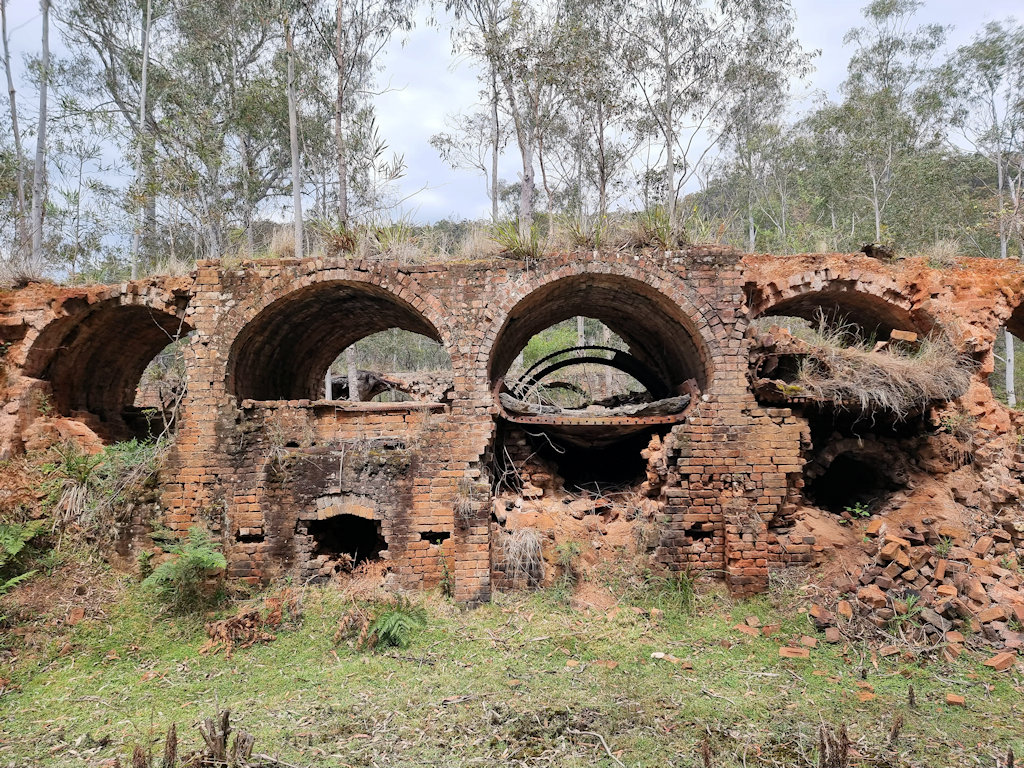
Today the physical landscape at Joadja reveals the full extent of the former town. The stone structures, industrial ruins and terraced slopes survive in surprising detail, and they show how the settlement functioned. Although time has altered some features, many key buildings remain identifiable. The sandstone schoolhouse still stands, and the refinery’s retorts continue to draw attention because they demonstrate early refining technology.
Because the valley sits in a steep natural amphitheatre, its isolation preserved many elements that would otherwise have vanished. The rugged terrain prevented large scale redevelopment, and this geographic protection helped conserve the heritage fabric. Furthermore, the property maintained private ownership for decades, and this limited uncontrolled access. Visitors today can observe a rare industrial landscape that retains integrity across domestic and operational zones.
Present Use and Continuing Significance
Today the Joadja Heritage Site operates as both a cultural destination and a centre for heritage-based enterprise. The property hosts regular tours that reveal the industrial and social history of the valley, and these tours attract visitors interested in archaeology, geology and colonial industry. The operators also produce spirits in a small distillery that uses locally sourced materials.
Getting There
Located just over 30-minutes drive from Mittagong, the Joadja Heritage Site is easily accessible. Roads were mostly sealed apart from the last section which was dirt. Because we arrived early, the gates into the property were locked. However, around 10 minutes before the start time, the guide arrived and opened them. There is plenty of parking on site along with toilets. Before the tour starts, you are free to walk around the distillery and surrounding area.
The Tour
Currently (October 2025), self-guide tours are not available. Consequently, the only option is a guide tour bay the owner. There are offered irregularly, as demand and guide availability permits. Having an enthusiastic and informed guide was invaluable as he was able to provide a huge amount of information on Joadja’s history.
During the tour we stopped at several areas and walked through the ruins. It was interesting to see how the small three-room houses used for staff and their families had survived over 100 years of bushfires and weather. Many of the buildings have iron roofs recently added to help preserved them.
The most interesting area was the processing plant. The old kilns and retorts used to process the shale are still in place although suffering from a century of weather. Many still have the copper retorts in place allowing us to see how they operated. This is quite remarkable as most metal in abandoned industrial sites has been salvaged.
What Did We Think?
This was a great tour. Amazing that it has been preserved so well after 100 years and is now passionately conserved by the current owners. After the tour there is a tasting available at the distillery.


Leave a Reply